
Utah DUI Ignition Interlock Requirements: What Drivers Need to Know
Utah DUI Ignition Interlock Requirements: What Drivers Need to Know
In Utah, an ignition interlock restriction can affect your ability to drive even after a DUI case is resolved. For many adults convicted of a first alcohol-related DUI, the standard restriction is 18 months; drivers younger than 21 face different periods, and prior offenses or refusals can change the result. The restriction is separate from a driver’s license suspension and may require installation, monitoring, and proof of compliance before it ends.
If you were arrested in Pleasant Grove, Lehi, American Fork, Orem, Provo, or elsewhere in Utah County, understanding the restriction early can help you avoid a second license problem. This guide explains the practical rules and where to check your individual status.
What Is an Ignition Interlock Device in Utah?
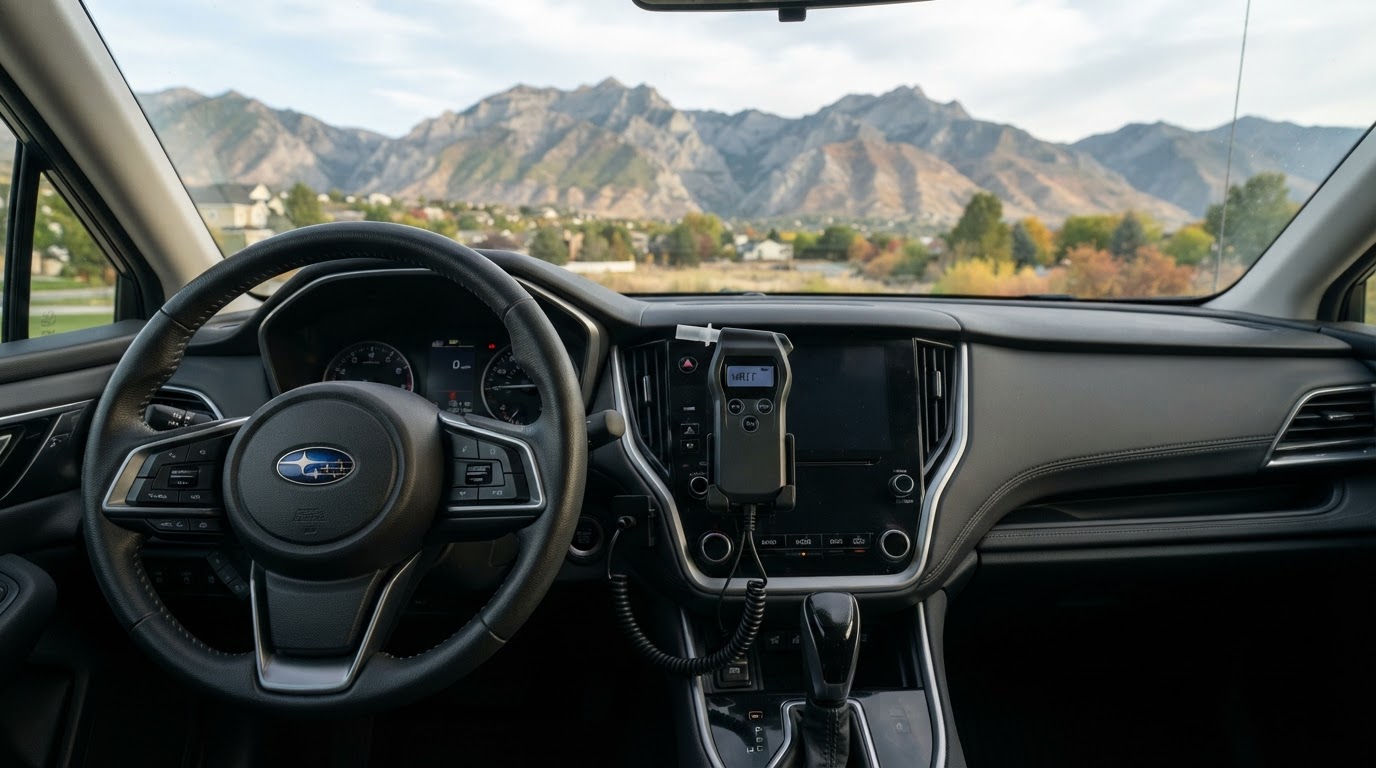
An ignition interlock device (IID) is a breath-testing system installed in a vehicle. It requires a breath sample before the vehicle can start and is subject to ongoing monitoring. Utah’s Driver License Division (DLD) maintains a list of certified systems and a separate list of approved installation providers.
Being an ignition interlock-restricted driver is a legal status, not simply a recommendation to install a device. Under Utah Code § 41-6a-518.2, covered drivers generally may not operate a motor vehicle without a functioning, certified IID, subject to statutory exceptions. The DLD states that the restriction can apply even when driving someone else’s vehicle or a motorcycle.
How Long Does Utah Require an Ignition Interlock?
First alcohol-related DUI for an adult
According to the DLD, a person 21 or older at the time of a first alcohol-related DUI generally faces an 18-month interlock restriction following conviction. A driver younger than 21 at the relevant time generally faces a three-year period. The law includes exceptions and distinct rules for offenses that did not involve alcohol.
Repeat DUI, refusal, and other qualifying offenses
Repeat offenses, chemical-test refusals, and certain other convictions or administrative actions can trigger longer or different restrictions. A court may also impose interlock conditions as part of probation. Do not assume the period shown in a friend’s case applies to yours. Review the conviction, administrative action, DLD record, and the applicable version of the statute with counsel.
When does the clock actually stop?
A critical detail is that the statutory period and the requirements for ending the restriction are not always identical. Utah law ties termination of certain restrictions to proof of installation and license reinstatement for the required period. The DLD also warns that removing an IID early can result in a renewed suspension. Before arranging removal, obtain confirmation from the DLD and your provider.
Ignition Interlock Is Not the Same as a License Suspension
A license suspension or revocation determines whether you have driving privileges at all. An interlock restriction limits which vehicles you may lawfully drive when you otherwise have valid privileges. You can therefore be subject to both issues at once. Installing an IID does not, by itself, restore a suspended license.
Some qualifying drivers may seek early reinstatement through the DLD after satisfying specific conditions. That process can involve a hearing officer, an IID, reinstatement fees, and a review of other sanctions. It is not automatic, and a refusal-based revocation has different eligibility rules from a typical alcohol-related suspension.
Also distinguish an interlock restriction from Utah’s alcohol-restricted driver status, which separately prohibits driving with alcohol in the system. The two classifications can overlap.
What Happens If You Drive Without the Required IID?
Driving a vehicle without the required interlock while legally restricted can result in a new citation, additional sanctions, and license consequences. The DLD reports that a conviction for an interlock-restricted driver violation can produce a one-year revocation and an additional restriction period. The exact consequences depend on the applicable law and driving history.
Utah also requires periodic device servicing and monitoring. The DLD states that a reportable breath violation or missed calibration or monitoring can extend the restriction by 60 days per occurrence. A device malfunction should be documented promptly with the provider; do not simply disconnect it or continue driving without confirming your legal status.
Practical Steps for Utah County Drivers
- Request your DLD hearing on time. If you were just arrested for DUI, the DLD says the administrative hearing request generally must be submitted within 10 calendar days. Use the official DLD hearing request process immediately; a criminal court appearance does not replace it.
- Get the actual restriction dates. Review your DLD notices, conviction paperwork, and driving record rather than calculating from memory.
- Use a certified provider. Confirm the device, installer, required camera, monitoring schedule, and electronic installation reporting with the DLD IID program.
- Keep compliance records. Save installation receipts, service records, communications, and reinstatement confirmation. Set reminders for calibration appointments.
- Ask before changing vehicles or removing the device. A new car, borrowed car, employment vehicle, or sale of your current vehicle can raise additional compliance questions.
- Review the criminal and administrative cases together. A plea, dismissal, or sentence does not necessarily resolve a separate DLD action.
Frequently Asked Questions About Utah Ignition Interlock
Do I need an ignition interlock for a first DUI in Utah?
Many first alcohol-related DUI convictions result in an interlock restriction. Age, the nature of the offense, and other circumstances matter. A drug-only case may be treated differently under statutory exceptions.
Can I drive my spouse’s car without an interlock?
Generally not while you are interlock-restricted, unless a specific legal exception applies. The restriction concerns the driver, not merely ownership of a particular car.
Can an ignition interlock help me get my license back sooner?
Possibly. Utah provides limited early-reinstatement procedures for eligible drivers, but installation alone does not confer driving privileges. The DLD must approve reinstatement and other requirements may apply.
What if I cannot provide a breath sample for medical reasons?
The DLD describes a medical-exemption process requiring medical documentation and evaluation. Approval is not automatic and may affect eligibility for early reinstatement.
Does a DUI dismissal automatically remove my interlock restriction?
Not necessarily. The answer depends on whether the restriction arose from a conviction, an administrative refusal, another qualifying action, or a court order. Verify the DLD record and all outstanding orders.
Talk to a Utah DUI Defense Attorney
A DUI charge can create several overlapping problems: the criminal case, a DLD hearing, possible license suspension, interlock requirements, and the costs of compliance. Rogers & Russell, PLLC represents clients in DUI matters throughout Utah, including Pleasant Grove, American Fork, Lehi, Orem, and Provo. Our attorneys can review the arrest documents and explain which restrictions may apply to your situation.
Read more about our Utah DUI defense services, first-offense DUI representation, and DLD license hearing assistance. To discuss your case, request a consultation or call 801-899-6064.
This article provides general information, not legal advice. Rules and administrative records change; an attorney-client relationship requires a separate engagement.